What makes Spyral wire saw blades different from conventional bandsaw blades?
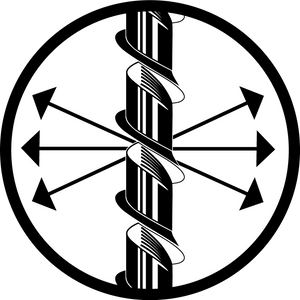
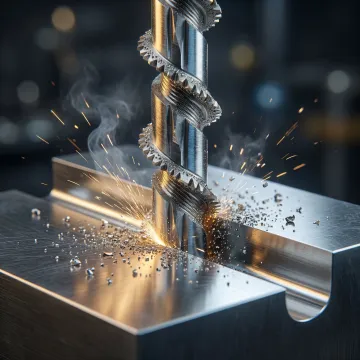
Spyral blades feature proprietary 360° tooth geometry that cuts in any direction—forward, backward, sideways, and at any angle. Unlike conventional flat blades with directional teeth, our round wire design eliminates blade set frustration and allows cutting in tight spaces, complex contours, and impossible angles. This total flexibility makes them ideal for applications where traditional blades fail, from aerospace component removal to intricate surgical procedures.
What materials can Spyral wire saw blades cut?
Our blades cut an exceptionally wide range of materials including metals (aluminum, steel, stainless), plastics (plexiglass, PVC, composites), wood, bone, rubber, adhesives, ceramics, and graphite-reinforced materials. Diamond-coated versions handle glass, stone, concrete, and fiberglass. The specific blade diameter and coating determine optimal material compatibility—our team can recommend the right blade for your application.
Are your blades truly manufactured in the USA?
Yes. All Spyral wire saw blades are manufactured domestically in our Illinois facility, continuing a tradition that began in 1946. We maintain rigorous American quality control standards and support domestic employment. Some accessory components like coping saw frames are sourced internationally, but every Spyral blade itself is proudly made in the USA with tempered carbon steel or stainless steel.
What industries use Spyral wire saw blades?
Our blades serve diverse sectors including aerospace manufacturing (aircraft maintenance and component work), military and defense (field operations and survival kits), medical and surgical (orthopedic bone cutting), industrial manufacturing (metalworking and fabrication), jewelry making and crafts, locksmithing, woodworking, and outdoor/survival applications. Any industry requiring precision cutting in confined spaces or complex angles benefits from our 360° technology.
How do I order wholesale quantities for industrial use?
Contact our sales team at 310-329-0600 or sales@bestwayproductscompany.com to discuss wholesale pricing and volume requirements. We work directly with industrial buyers, government contractors, medical suppliers, and distributors to provide competitive pricing on bulk orders. Our team will help you select the appropriate blade specifications for your application and establish ongoing supply arrangements tailored to your operational needs.
What blade diameter should I choose for my application?
Blade diameter affects kerf width, cutting speed, and material compatibility. Thinner diameters (.028"–.040") work best for intricate jewelry work, fine detail cutting, and delicate materials. Medium diameters (.050") balance versatility and strength for general industrial use, survival applications, and most metals. Heavier diameters (.074") provide maximum durability for aggressive cutting of thick materials and heavy-duty applications. Our technical team can recommend optimal sizing based on your specific cutting requirements.
Why are Spyral blades trusted by the US military?
The US Marine Corps and Air Force have relied on our Military Survival Saw for over 30 years because it delivers field-proven performance in the most demanding conditions. The blades cut wood, light metals, and mild steel with removable steel ring handles rated over 500 lbs. Their compact, lightweight design fits survival kits while providing emergency cutting capability that soldiers can depend on. Warner Robbins Air Force Base originally developed specifications that our blades continue to exceed.
What replacement blade options are available?
We offer replacement blades for all our saw systems including 2-packs for the Military Survival Saw (20" tempered carbon steel), 3-packs for standard hacksaws (12" in two diameters), 5-packs for jeweler's saws (multiple diameter options), and sample packs for coping saws. Replacement blades feature the same screw-on or standard mounting systems as original equipment, requiring no special tools for installation. This reduces long-term costs while maintaining cutting performance.